

Not every PoC project needs a large-scale system architecture. In many site-level deployments, what matters more is reliable day-to-day communication, local operation, and a setup process that stays manageable for both the customer and the delivery partner.
MiniServer is designed for this type of project. As a compact on-premises PoC solution with the system built in, it gives channel partners a more practical way to deliver smaller deployments without the overhead of a broader architecture.
This article explains what MiniServer is, where it fits, and why MiniServer 2.0 can be a more workable option for channel partners serving hospitality, property, facility, and security environments.
Looking for a compact on-premises PoC solution for site-level projects?
View the MiniServer Product PageQuick Overview
MiniServer is a complete on-premises PoC solution, not just a hardware device.
It is designed for smaller site-level deployments, rather than complex multi-site architectures.
For channel partners, its value lies in simpler deployment, easier handover, and a more repeatable delivery model.
What Is MiniServer?
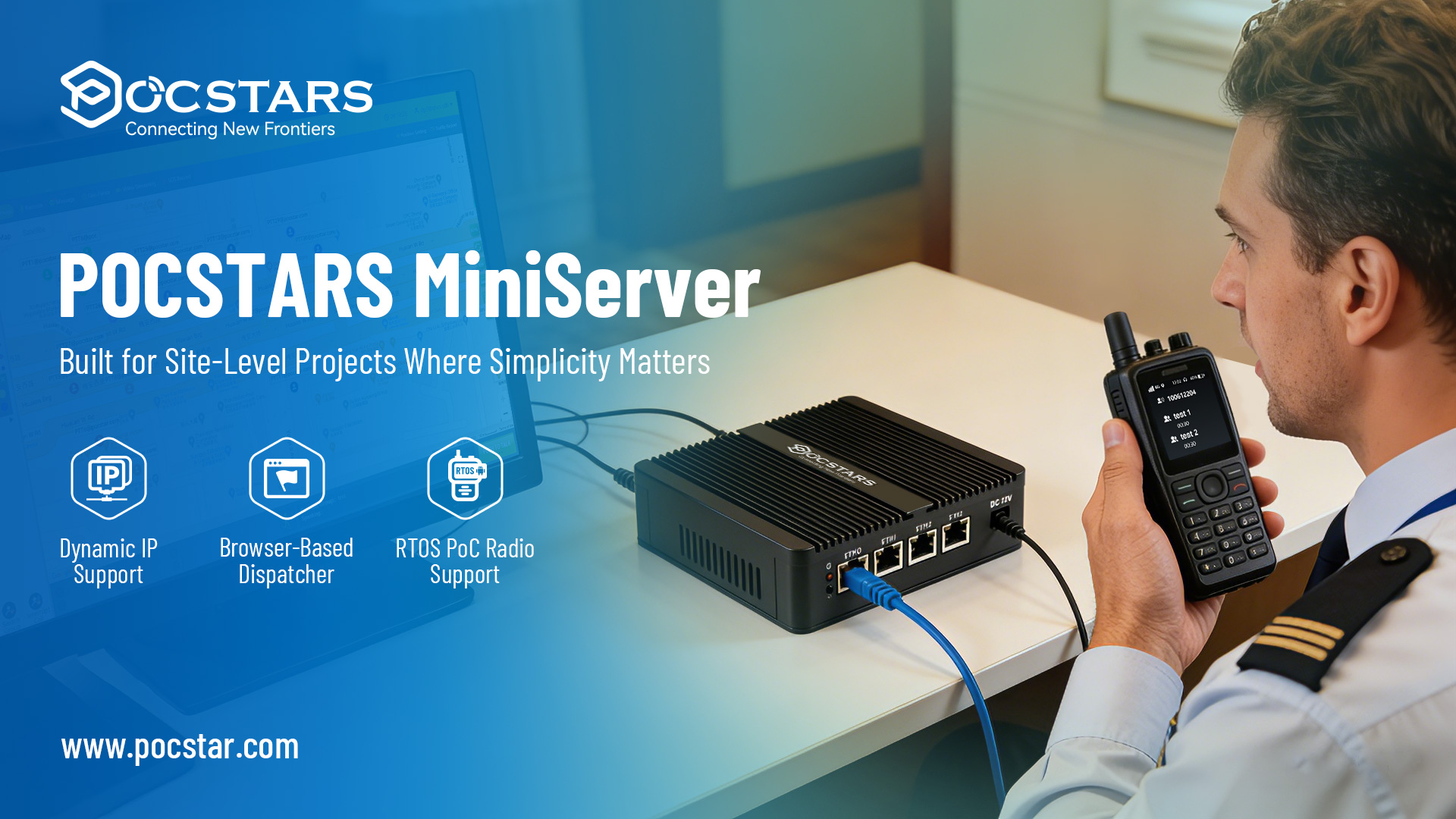
MiniServer is a complete PoC solution delivered in a compact hardware form. It is not simply a server device or a hardware appliance that requires a separate PoC platform to be added later. The PoC system is built in, which means partners are delivering a functional communications solution rather than assembling multiple components on site.
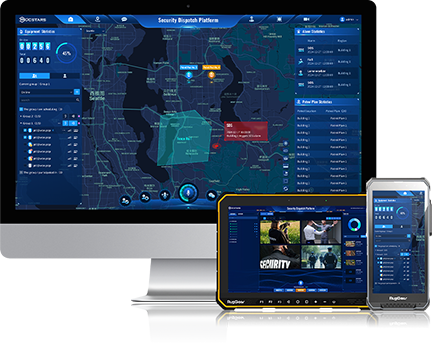
In practical terms, this helps simplify deployment. Voice communication, dispatcher access, and device management are brought together within a single solution, making MiniServer better suited to projects where straightforward delivery and day-to-day use are priorities.
Where Does MiniServer Fit Best?
MiniServer is well suited to customer environments where the communication need is clear, but the system scope should remain proportionate to the site.
Hospitality and property operations: hotels, resorts, and managed properties often need reliable communication between front desk, housekeeping, maintenance, and security teams.
Facility and campus operations: office buildings, logistics sites, and campus-style environments may benefit from a local PoC solution that supports daily coordination while remaining easy to manage at site level.
Security and guarding services: smaller guarding teams may need dispatcher visibility and dependable team communication, without the scale of a broader deployment model.
Projects requiring local control: some customers prefer communication infrastructure to stay on site for operational handling and day-to-day management reasons.
Across these scenarios, the common factors are usually the same: a defined site, a practical communication requirement, and a preference for a solution that is easier to deploy and manage.
Why Does MiniServer Make Sense for Channel Partners?
For channel partners, MiniServer is not only about product fit. It is also about delivery fit.
On smaller projects, delivery efficiency matters. A solution that is easier to set up, easier to hand over, and easier to repeat across similar customer environments can support a more workable business model for partners.
Simpler deployment: MiniServer 2.0 supports dynamic IP environments, which can help reduce the network preparation burden in smaller deployments.
Easier handover: the dispatcher interface is browser-based, allowing access without dedicated software installation.
More flexible terminal planning: support for Cat.1 terminals gives partners more flexibility when matching devices to different user roles and budget requirements.
Taken together, these characteristics make MiniServer easier to position as a repeatable solution for site-level projects. Rather than treating each deployment as a highly customised build, partners can apply a more standardised approach across similar customer environments.
What Makes MiniServer 2.0 Easier to Deliver?
MiniServer 2.0 introduces a set of practical improvements that support project delivery for smaller deployments.
Dynamic IP support
This helps reduce the infrastructure burden in environments where a fixed public IP is not available or not preferred.
Browser-based dispatcher access
This simplifies system use and handover by allowing dispatcher access through a web browser rather than dedicated software installation.
RTOS PoC radio support
This expands device planning flexibility, making it easier to align terminal choices with different user roles and budget requirements.
These improvements do not change MiniServer's core positioning. Instead, they make the solution easier to deploy and easier to work with in the kinds of site-level projects it is designed for.
When Is MiniServer the Right Fit, and When Is It Not?
MiniServer occupies a clear position in the POCSTARS portfolio. It is a practical fit for site-level deployments where local operation, manageable delivery, and system simplicity matter.
It is not intended for complex multi-site architectures or projects with broader integration requirements. Positioning it accurately from the start helps partners align the product with the right opportunities.
Evaluating MiniServer for a current project?
Share your project size, deployment environment, and terminal requirements. We can help assess whether MiniServer is a practical fit for your site-level communication needs.
Contact POCSTARSFAQ
What is MiniServer?
MiniServer is a compact on-premises PoC solution with the PoC system built in, designed for smaller site-level deployments.
What type of projects is MiniServer designed for?
It is designed for site-level projects such as hospitality, property, facility, and smaller security operations where communication needs are clear but deployment complexity should remain manageable.
Is MiniServer suitable for large multi-site deployments?
No. MiniServer is intended for smaller site-level projects rather than complex multi-site architectures.
Why is MiniServer relevant for channel partners?
Because it offers a more practical delivery model for smaller projects, with simpler deployment, easier handover, and more flexible terminal planning.
What are the key benefits of MiniServer 2.0?
MiniServer 2.0 introduces support for dynamic IP environments, browser-based dispatcher access, and RTOS PoC radio, helping make deployment and project delivery more straightforward.
Conclusion
MiniServer is designed for site-level PoC projects that need a more manageable deployment model. It is a complete on-premises solution, not just a hardware device, and it fits environments where local operation, simpler delivery, and practical day-to-day use matter more than system scale.
For channel partners, the value lies not only in product fit, but also in the ability to deploy more cleanly, hand over more easily, and build a more repeatable project model across similar customer scenarios.
Related reading
Explore the MiniServer Product Page
Last updated: 2026-04-13