



Blog
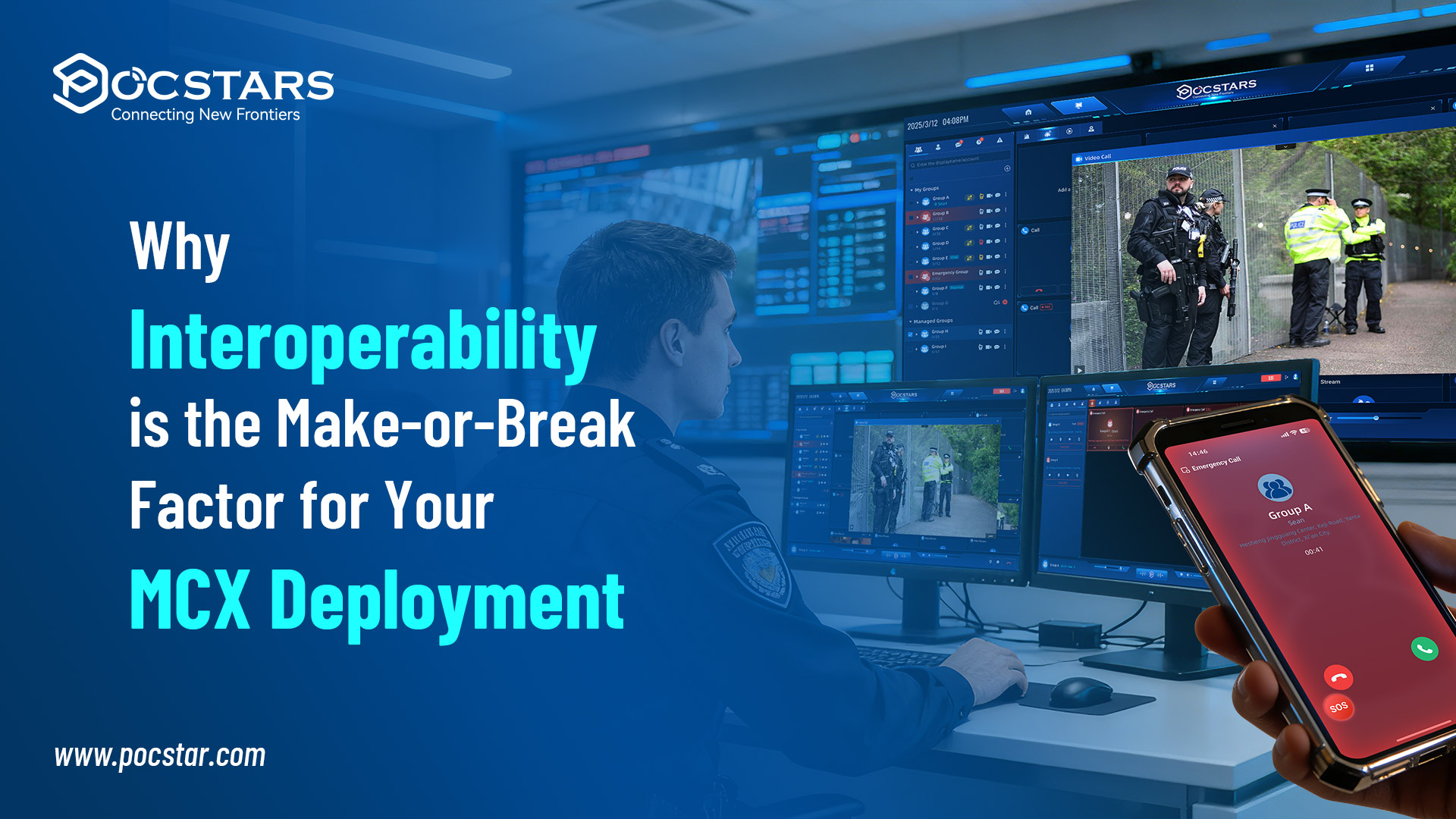
Why Interoperability Is the Make-or-Break Factor for Your MCX Deployment
MCX interoperability has become one of the most important success factors in modern mission-critical communications. Rather than being an optional technical capability, interoperability enables organizations to connect existing infrastructure with new technologies while maintaining reliable communications across their entire operation.

Expo Seguridad México 2026 Recap | POCSTARS Accelerates Smart Communications Transformation Across Latin America
POCSTARS participated in Expo Seguridad México 2026, Latin America's largest security exhibition, showcasing advanced PoC communication platforms, geo-location solutions, and intelligent dispatch systems. The event highlighted growing demand for integrated security operations, fleet management, and mission-critical communications across the Latin American market.
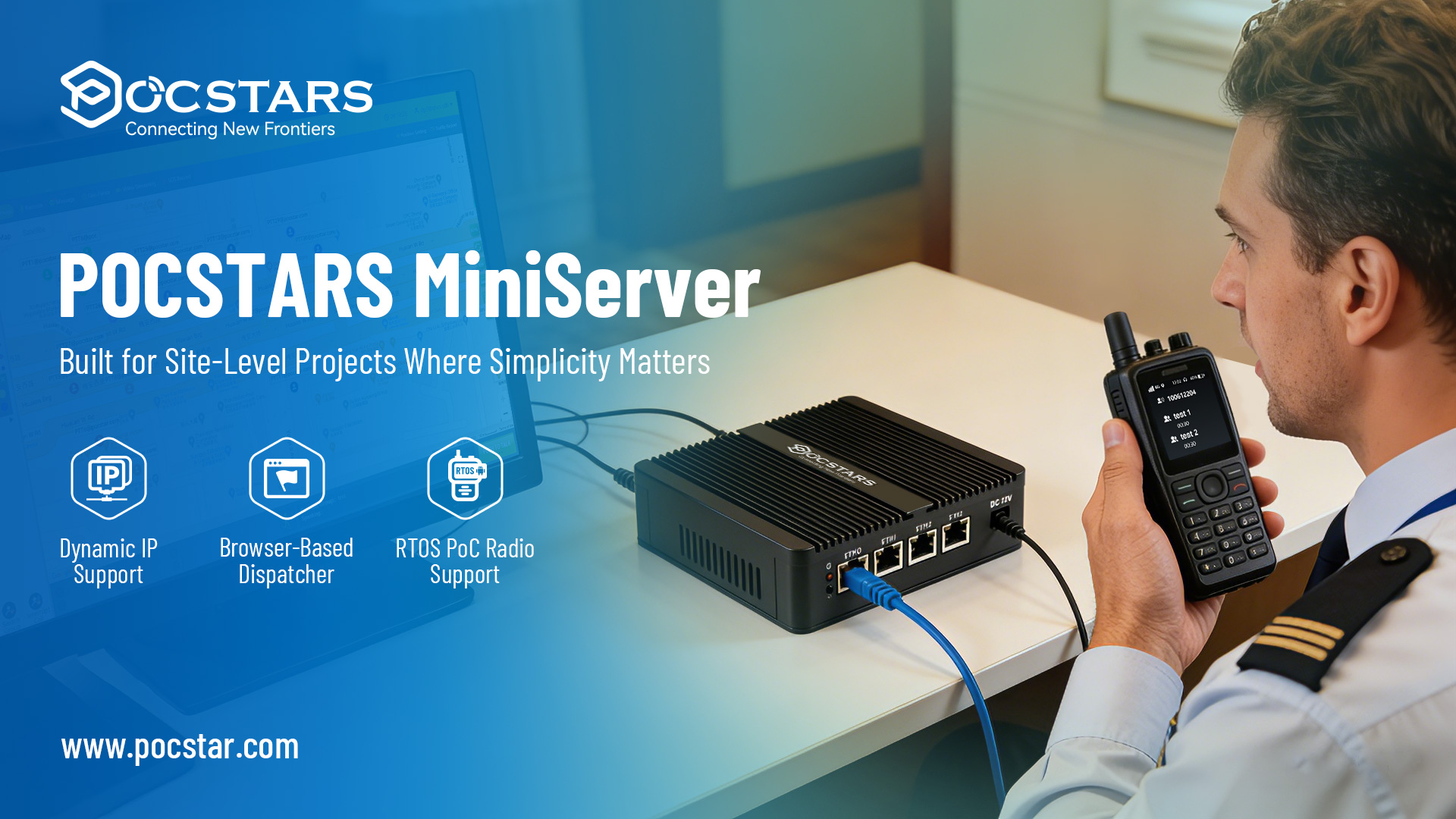
MiniServer: A Compact On-Premises PoC Solution for Site-level Projects
MiniServer is a compact on-premises PoC solution built for site-level deployments. Learn how it helps channel partners deliver simpler, more repeatable projects.

MCPTT vs PTToC: Key Differences, Standards, and When to Use Each
Understand MCPTT and PTToC (PTT over Cellular): how they differ in 3GPP standards, QoS/priority, network integration, devices, and real-world use cases.
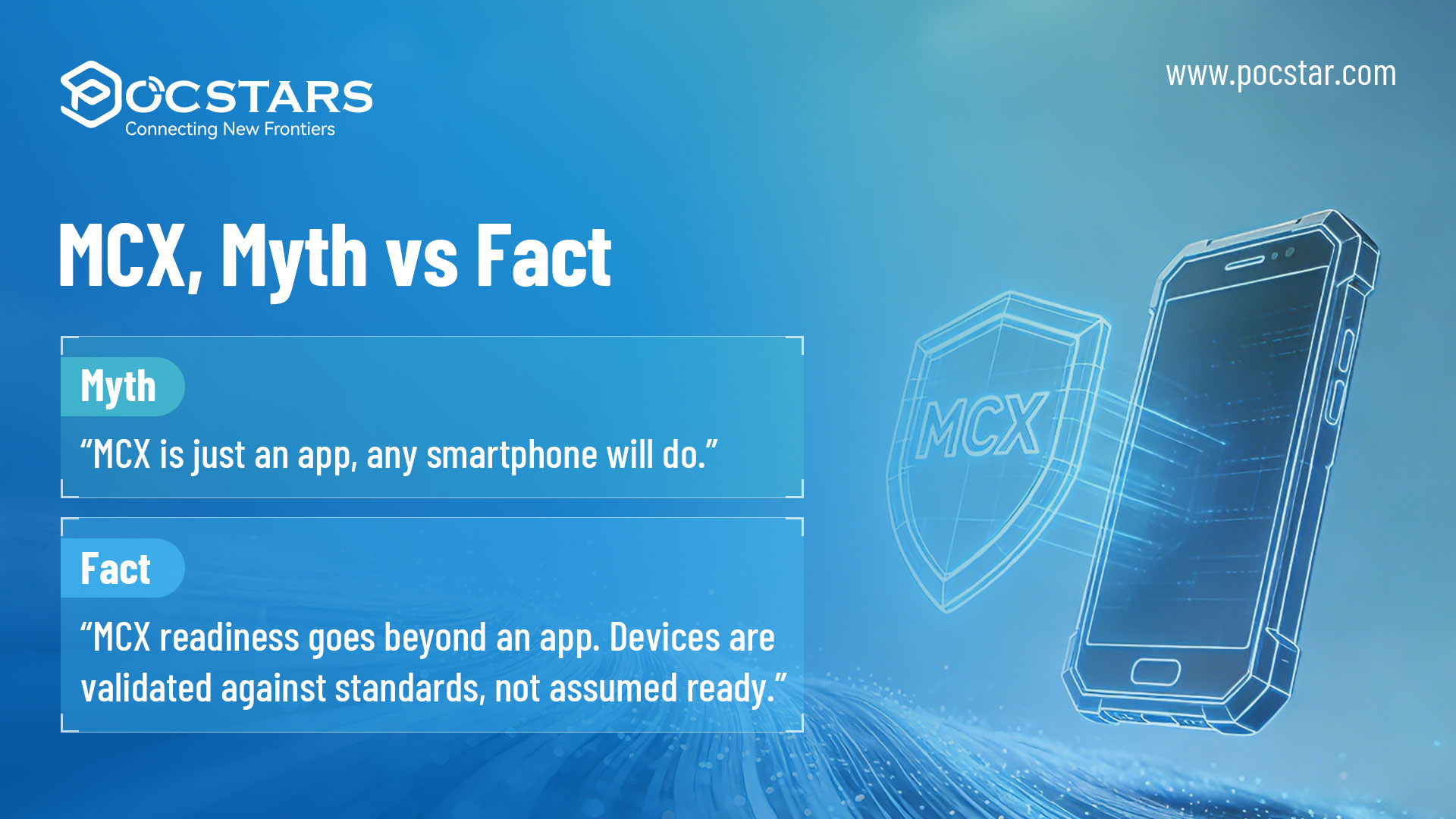
MCX, Myth vs Fact: Device Readiness Is Not Assumed
MCX readiness goes beyond installing an app. Learn why devices are validated against standards, what readiness means in practice, and how to plan device evaluation for MCX projects.

Asset Security Location: Findable in Minutes, Traceable When It Matters
Asset losses rarely look like theft. They look like jobs that cannot start, untracked moves across boundaries, and expensive investigations when “last known” is unreliable. Learn how indoor and outdoor continuity, real time locating, geofencing, and trajectory replay make asset tracking actionable.
MNO vs PRO: How to Choose the Right POCSTARS PoC Delivery Model
Compare POCSTARS MNO vs PRO by delivery and operating model—not feature lists. Learn when to choose SaaS rollout & operations (MNO) vs private deployment & integration readiness (PRO).
MCPTT vs PMR/LMR: How Mission-Critical Communications Evolve to MCX
Understand how MCPTT (3GPP MCX) differs from PMR/LMR, across networks, services, QoS, interoperability, and migration, plus a practical transition path for agencies and enterprises.

People Safety: When “Where are you?” Becomes the Longest Question
When seconds matter, “Where are you?” becomes the longest question. Learn how indoor–outdoor location continuity supports SOS response, missing-worker checks, and restricted-zone alerts.